-

Phone: +86-574-86667311
-

E-mail: jenny@nbvo-bearing.com
-

Tel: +86-15957850930


Phone: +86-574-86667311
E-mail: jenny@nbvo-bearing.com
Tel: +86-15957850930
NEWS
 2026.01.19
 Industry News
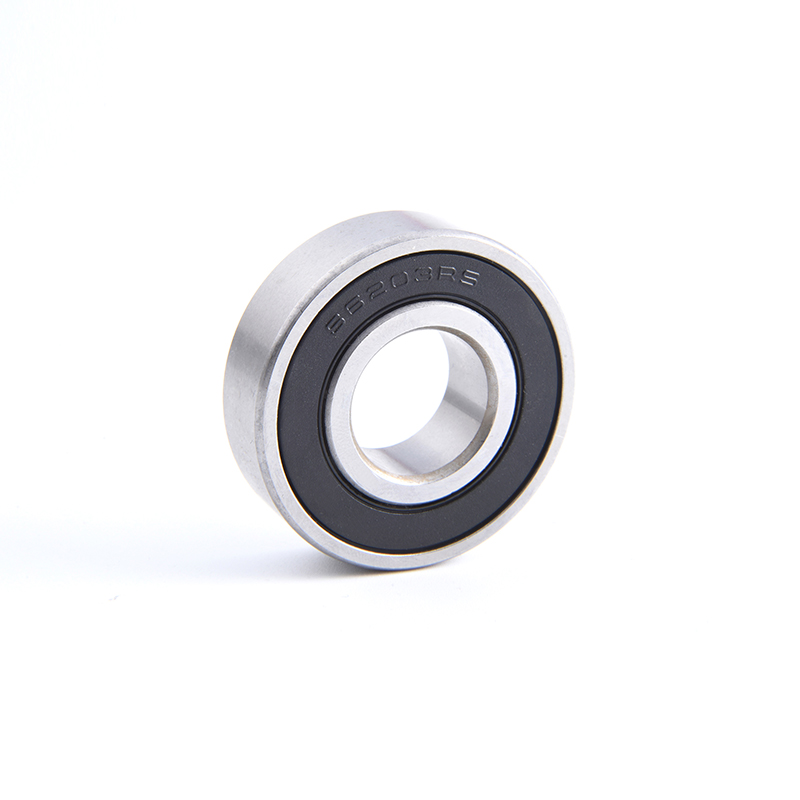
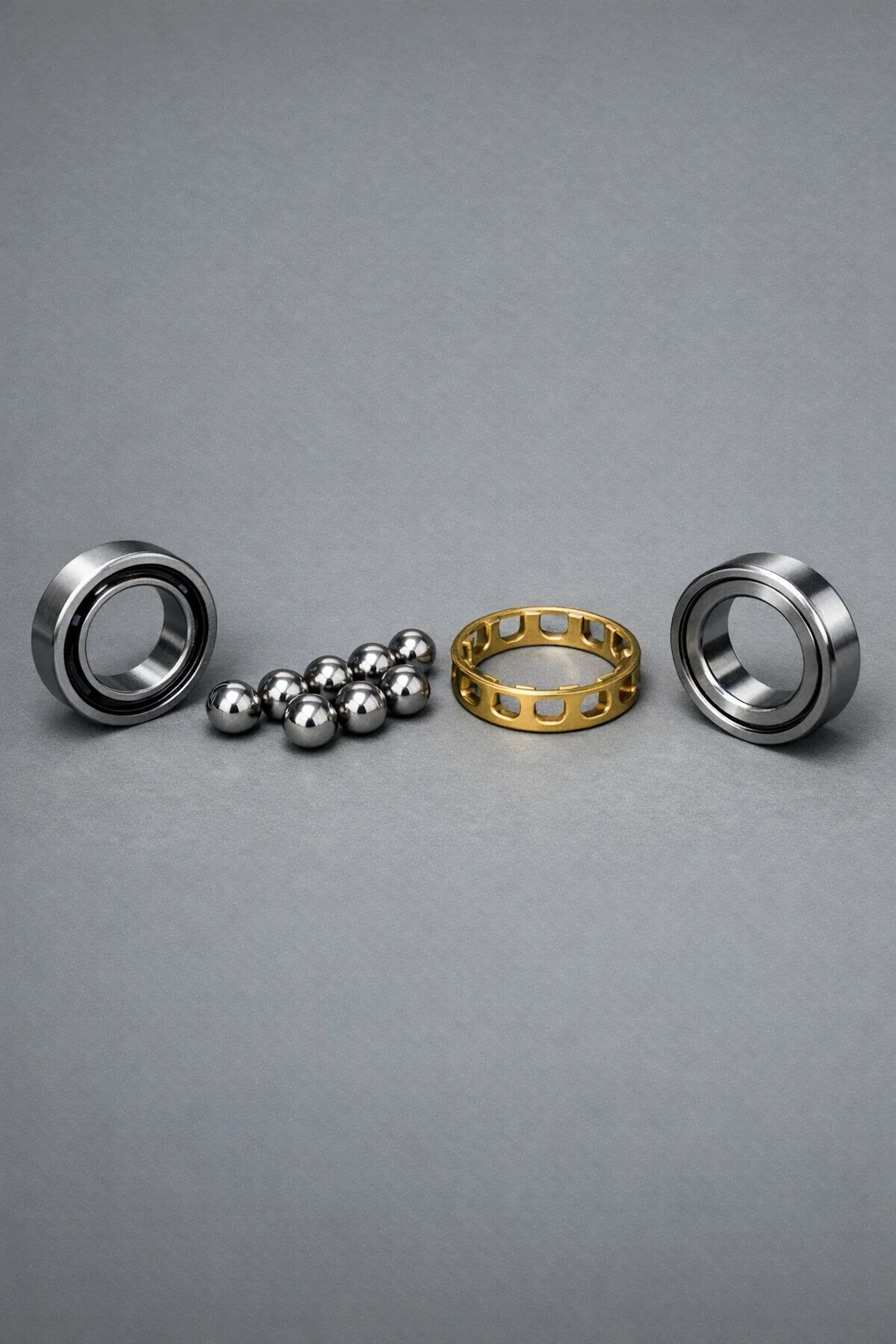
To understand a deep groove ball bearing, simply taking it apart reveals its very simple and clear structure. It's like a carefully designed "precision sandwich," mainly composed of four parts:
Location: This is the outermost ring of the bearing.
Function: Its outer surface is usually fixed to the machine's base or housing. The inner side of the outer ring has a deeply grooved circular "raceway."
Simple understanding: It's like a circular "wall" that holds all the parts in place, providing an outer track for the steel balls to run on.
Location: This is the innermost ring of the bearing.
Function: Its inner bore is directly fitted onto the rotating shaft. The outer side of the inner ring also has a deep groove "raceway," directly opposite the outer ring's track.
Simple understanding: It's the "close-fitting garment" of the shaft, rotating rapidly with the shaft, and working with the outer ring to form a layer for the steel balls to roll in.
Location: Sandwiched between the grooves of the inner and outer rings.
Function: These are the parts that actually do the "running." They reduce friction to a minimum by rolling instead of sliding.
Simple understanding: Like the wheels on the bottom of roller skates. Because of these smooth, round balls, the shaft rotates smoothly as if it were lubricated.
Location: Like small claws, separating the steel balls one by one.
Function: Its job is to keep the steel balls "in line." Without it, the steel balls would all crowd together and collide, and the bearing wouldn't be able to rotate.
Simple understanding: It's the "discipline officer" in the bearing, ensuring that each steel ball stays in its own position, without running around or colliding.

Ningbo NBVO Seiko Bearing Co., Ltd.
Tel: +86-574-86667311
Phone: +86-15957850930
E-Mail: jenny@nbvo-bearing.com
Whatsapp: 86-15957850930
Copyright © Ningbo NBVO Seiko Bearing Co., Ltd. All Rights Reserved. Custom Deep Groove Ball Bearings Manufacturer Miniature Ball Bearings Supplier


 English
 Español
 Deutsch