-

Phone: +86-574-86667311
-

E-mail: jenny@nbvo-bearing.com
-

Tel: +86-15957850930


Phone: +86-574-86667311
E-mail: jenny@nbvo-bearing.com
Tel: +86-15957850930
NEWS
 Home / News / Industry News / What is the difference between a ball bearing and a deep groove ball bearing? (Key differences explained)
 2025.12.22
 Industry News
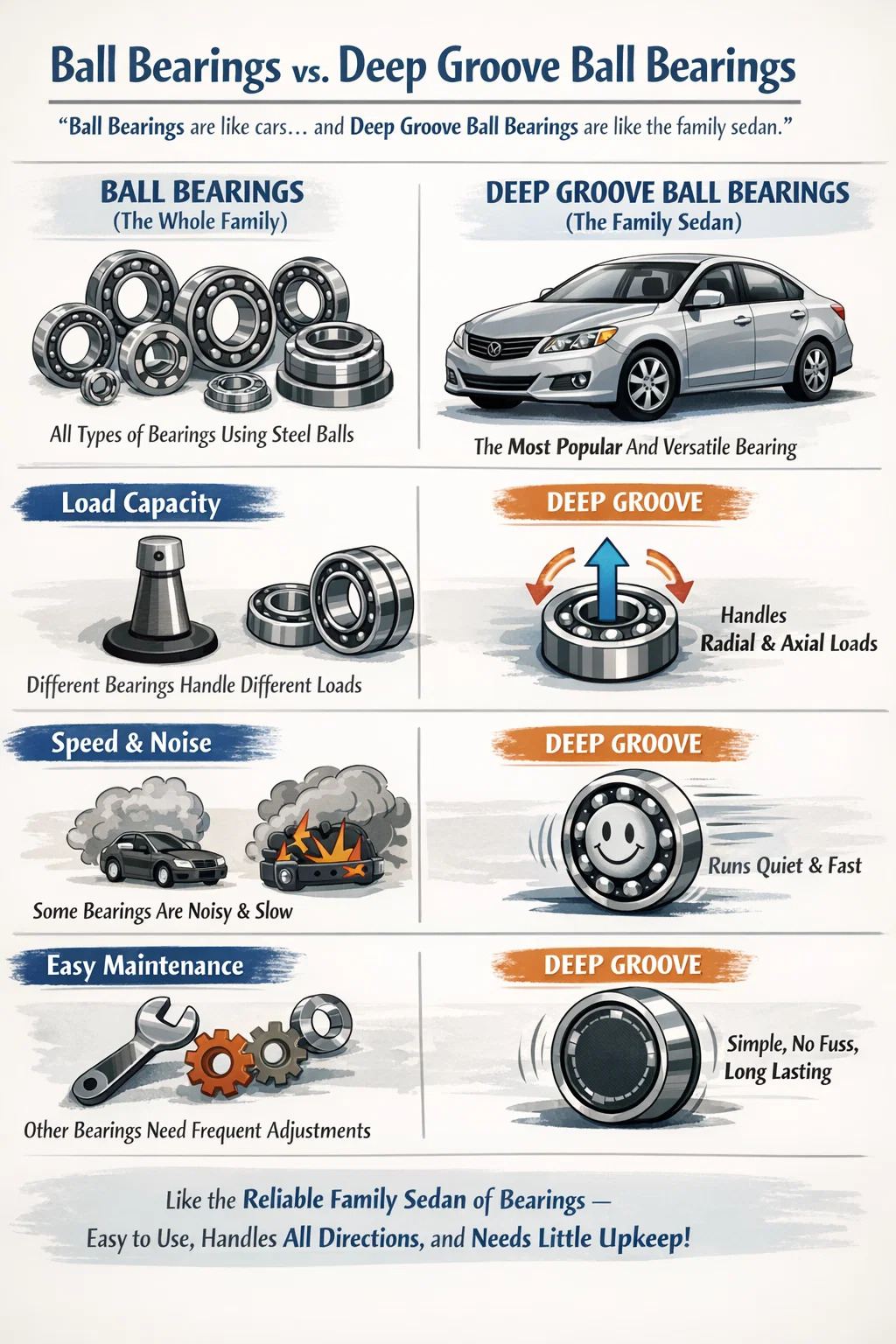
Simply put, ball bearings are a general term for a large "family," and deep groove ball bearings are the most famous and widely used "member" of this family.
You can think of ball bearings as "cars," and deep groove ball bearings as the most common "family sedan."
Content
Ball bearings: This is a broad category. Any bearing that uses round steel balls to reduce friction and support rotation is called a ball bearing. It has many siblings, such as thrust ball bearings specifically designed for pushing loads, and angular contact ball bearings that handle angled loads.
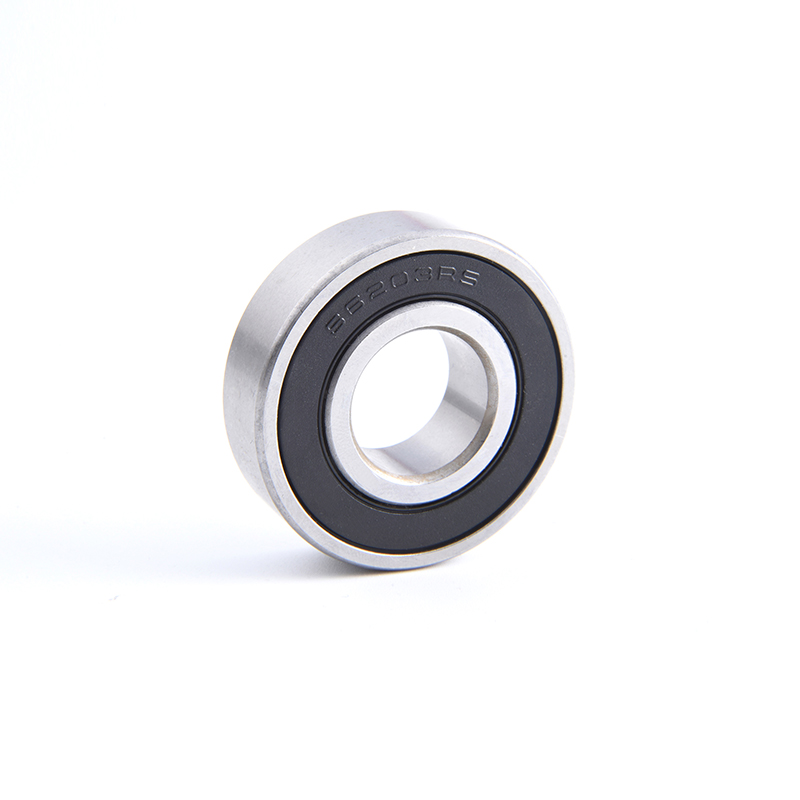
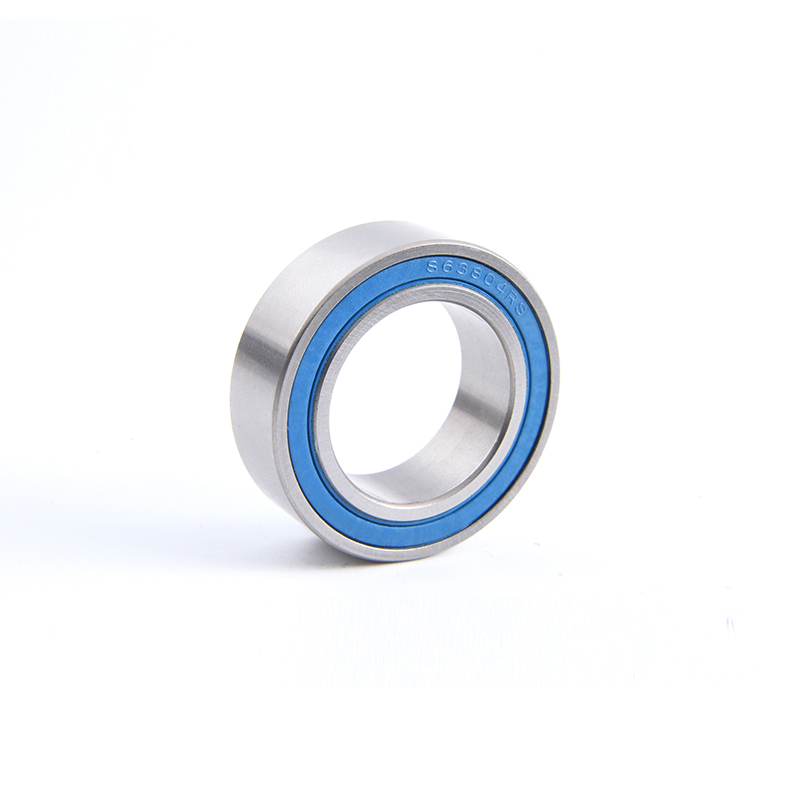
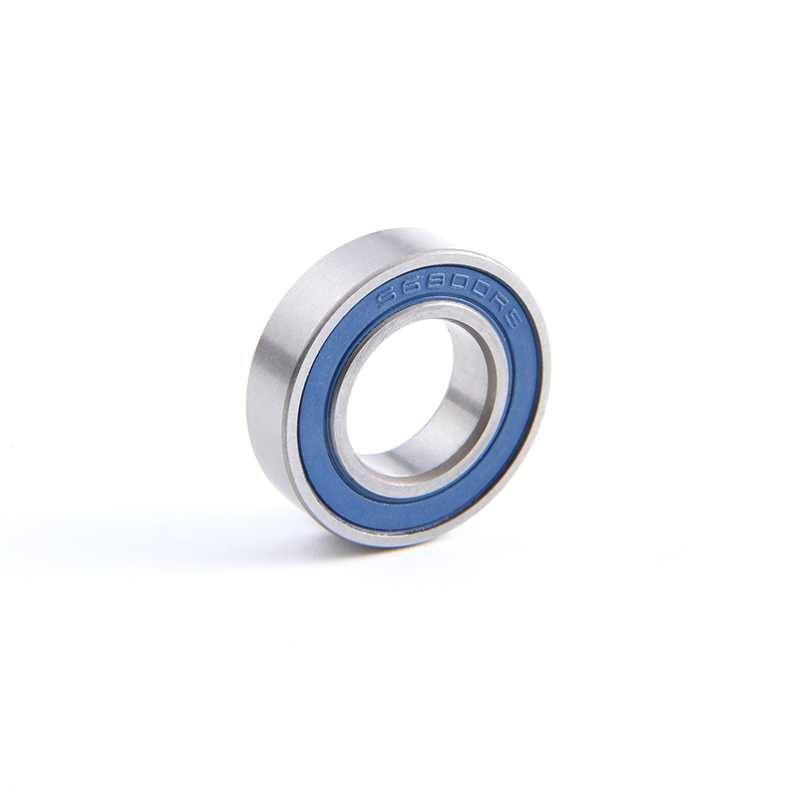
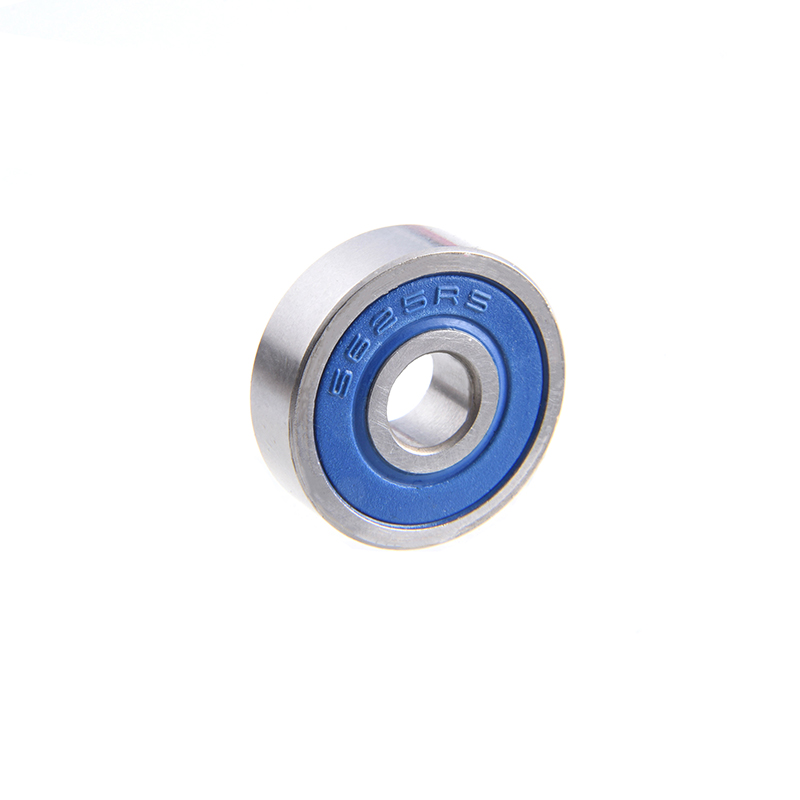
Deep groove ball bearings: This is the most basic type of ball bearing. Its characteristic lies in the "deep groove" in its name—the "track" on the inner and outer rings where the steel balls run is deeply grooved.
Ordinary ball bearings (in the broad sense): Different ball bearings have different functions. Some can only withstand force horizontally (like a door stopper), while others can only withstand force vertically.
Deep groove ball bearings: Because of their deep raceways, the steel balls are securely held in the groove. This allows them to withstand not only pressure perpendicular to the shaft (radial load) but also some thrust along the shaft direction (axial load). This "versatile" nature makes them useful in most machines.
Due to their simple structure, deep groove ball bearings have very low friction between the steel balls and the raceway. They run very smoothly, can achieve high rotational speeds, and operate very quietly, without producing harsh noise or excessive heat.
Deep groove ball bearings do not require complex maintenance. Because they are sealed or integrated structures, they basically don't need any attention after installation until they wear out and need replacement. Compared to other ball bearings that require precise adjustment of the installation angle, deep groove ball bearings are less "picky" about installation requirements and are very easy to use.

Ningbo NBVO Seiko Bearing Co., Ltd.
Tel: +86-574-86667311
Phone: +86-15957850930
E-Mail: jenny@nbvo-bearing.com
Whatsapp: 86-15957850930
Copyright © Ningbo NBVO Seiko Bearing Co., Ltd. All Rights Reserved. Custom Deep Groove Ball Bearings Manufacturer Miniature Ball Bearings Supplier


 English
 Español
 Deutsch